Stonecrest Commercial Generator Resources & Technical Guides
Arabia Mountain Generator Rental offers comprehensive commercial generator resources and technical guides tailored for Stonecrest, GA. Serving neighborhoods like Stonecrest Mall District and Turner Hill, we address local climate challenges and aging post-war buildings with expert insights on OSHA compliance, EPA Tier 4 standards, and downtime prevention to support your generator rental needs effectively.
Technical Expertise for Reliable Power Operations
I remember the summer of 2004 in the Stonecrest Mall District when the grid failed during a heatwave. We watched businesses lose everything because they weren't prepared for the dark. Since then, we've built our resource library to make sure you don't face those same hurdles. We've seen how a lack of distribution planning or ignoring OSHA safety standards can shut a site down instantly. Whether you're working in Fairington or near Evans Mill, these guides help you manage the technical side of power. We focus on the details that keep your crew safe and your equipment running within spec.
Critical Compliance & Planning Categories
- emergency standby readiness
- tier 4 emissions management
- load bank testing protocols
- sound attenuated unit selection
Site Readiness Checklist
- Verify OSHA temp power requirements for your job site.
- Check EPA Tier 4 compliance for all diesel units.
- Review noise ordinance compliance for urban settings.
- Assess downtime prevention strategies to protect revenue.
Commercial Generator Technical Resources for Metro Atlanta Businesses
Expert industrial generator guidance for Stonecrest area commercial and industrial operations
Commercial Generator Resources & Technical Guides for Stonecrest, GA
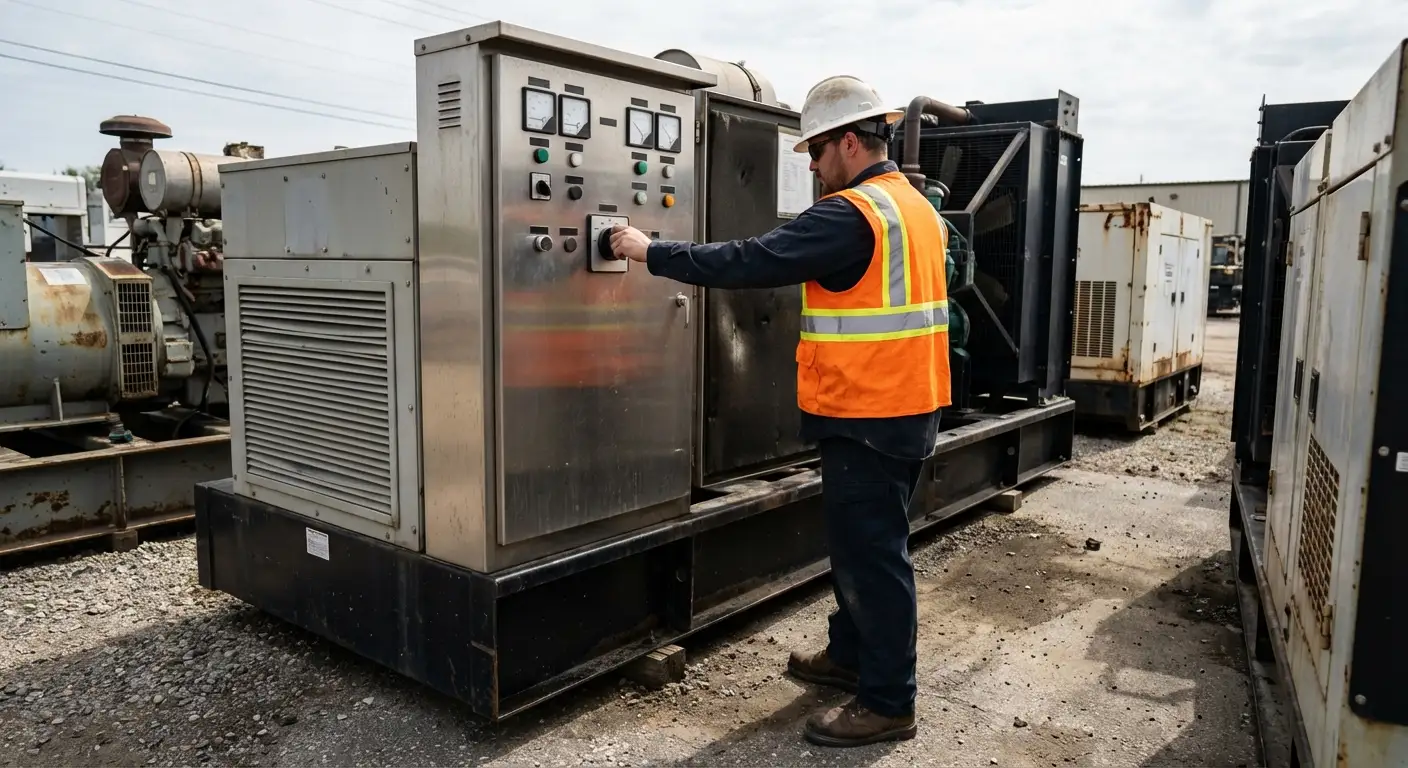
After the 2004 outage during that brutal summer heatwave in the Stonecrest Mall District, we learned firsthand how critical reliable power is for busy commercial areas. Whether you’re operating in Fairington’s dense residential-commercial mix or the bustling corridors of Evans Mill, understanding your generator’s specs and compliance with OSHA temp power and EPA Tier 4 emissions is non-negotiable. We always advise businesses to weigh the benefits of permanent vs rental setups to match their power needs and budget. Our guides cover everything from sound-attenuated units for noise-sensitive locations to proper load-bank testing for optimal performance. When you know what to expect and how to prep, you avoid costly downtime and keep customers happy.
Deployment Readiness Checklist
- Understand the unique power demands in commercial zones like Stonecrest Mall District and Evans Mill
- Review technical guides on OSHA temp power and EPA Tier 4 compliance before installation
- Compare permanent vs rental generator options to fit project duration and budget
- Consider sound-attenuated and spill-containment equipment features for noise and environmental control
- Plan for load-bank testing and mobile fueling to maintain generator performance during extended use
- Consult resources on downtime prevention to minimize business interruption risks
| Resource | Purpose | Link |
|---|---|---|
| OSHA Temporary Power Guide | Ensure safe, compliant temporary power setups | OSHA Temp Power |
| EPA Tier 4 Compliance | Meet environmental emissions requirements | EPA Tier 4 Compliance |
| Permanent vs Rental Comparison | Decide between fixed installation or flexible rental | Permanent vs Rental |
| Load Bank Testing Service | Verify generator capacity and reliability | Load Bank Testing |
| Downtime Prevention Guide | Strategies to avoid business interruptions | Downtime Prevention |
Commercial Generator Resources Built From Real Stonecrest Jobs
We write these guides the same way we set up a commercial generator on a live site: start with the load, check the path, and keep the risks in view. Around Stonecrest Mall District, Turner Hill, and Fairington, we’ve seen how heat, traffic, tenant schedules, and fuel logistics all shape the final setup. That’s why our resources focus on practical choices like distribution, spill control, ATS planning, and noise compliance.
-
Start with the load, not the machine
When we build a guide, we begin with what the site actually has to keep running: refrigeration, lighting, pumps, POS systems, or a full temporary panel. That load-first approach keeps the advice grounded. A 100-kW set means nothing if the start-up surge is wrong or the distribution plan leaves one breaker overloaded. We write from the field because that’s how we avoid bad assumptions.Real World ScenarioAt a Stonecrest Mall District job, we mapped the tenant loads before we rolled in the generator. The HVAC call-in on a hot afternoon changed everything, so we reworked the distribution layout before the first cable went down.
-
Treat weather and heat like part of the design
Georgia heat doesn’t just make the crew sweat; it changes how generators breathe, how fuel behaves, and how quickly a site gets noisy or cramped. Our guides lean into that reality. We talk about placement, airflow, wet-stacking risk, and how long a unit can sit under a heavy summer load without trouble. That’s the kind of detail that keeps a rental plan useful instead of theoretical.Real World ScenarioDuring a July outage near Turner Hill, we set the unit where the exhaust stayed clear and the cooling air could move. That small decision kept the machine steady while the afternoon temperature climbed.
-
Build around compliance before the outage happens
We’ve spent enough mornings on commercial sites with inspectors, facility managers, and electricians to know that OSHA, EPA, and local noise rules aren’t side notes. They shape the whole setup. Our resources explain spill containment, cable protection, emissions planning, and safe access because a commercial generator job falls apart fast when the paperwork and field layout don’t match.Real World ScenarioFor a Fairington standby setup, we walked the pad, checked the cable path, and matched the install notes to the safety manual before the crew energized anything. That kept the site clean and the handoff smooth.
-
Write for the crew that has to fix it at 2 a.m.
We don’t write guides for a perfect day. We write them for the night shift, the storm call, and the manager trying to keep a building open when half the block is dark. That means plain language, clear steps, and practical choices like load bank testing, ATS integration, and fuel planning. If the instructions don’t help under stress, they don’t help enough.Real World ScenarioAfter the 2004 Stonecrest Mall District outage, we learned fast that people don’t need theory when the lights go out. They need a layout that a tired crew can follow with flashlights, rain, and traffic still moving around them.
We keep our resource pages grounded in the work we’ve done across Stonecrest, with the same attention we bring to every generator setup: safe, direct, and built for the conditions a commercial site really faces.
Essential Generator Protocols for Stonecrest Businesses
When that summer storm knocks out power to the Stonecrest Mall District, our crew's seen how fast perishables spoil and registers go dark. That's why we prep every emergency standby unit with ATS integration for instant response. For Turner Hill medical offices, we recommend sound-attenuated models to meet residential noise limits. Whether it's a planned shutdown at the library or an unexpected outage, our downtime prevention guides help businesses stay operational.
Deployment Checklist
- Always verify OSHA temporary power guidelines before setup
- Inspect distribution equipment for wear before each deployment
- Keep safety manuals on-site during generator operation
Commercial Generator Solutions for Stonecrest Businesses
Reliable industrial power equipment rental for construction, events, and emergency backup
Commercial Generator Resources & Technical Guides in Stonecrest, GA
We built these guides after real outage work in Stonecrest, from mall district heat emergencies to quiet backup setups near Fairington. You’ll find practical generator advice, code-aware planning, and field-tested tips.
Technical Specifications and Field Guidelines
Operational data and technical documentation for commercial power systems deployed throughout Stonecrest, Georgia, and surrounding industrial zones.
What fuel requirements apply to rental units near Stonecrest Mall District?
How does humidity affect generator performance in the Fairington area?
What grounding protocols are required near Browns Mill Aquatic Center?
Which load types are common for 1950-1980 era buildings?
What access constraints exist on Turner Hill?
How do OSHA regulations impact site setup in Stonecrest?

Commercial Generator Resources and Technical Guides Hub
Access detailed commercial generator resources and technical guides for maintenance, safety, and compliance in Stonecrest, GA.
Trusted by Stonecrest businesses for reliable generator expertise